Before you shop for a headstone, ask the cemetery for the section rules in writing
Most of the design decisions in a grave marker are made by the cemetery's section regulations long before a family ever walks into a dealer's showroom.
choosing, pricing, and installing cemetery grave markers and monuments
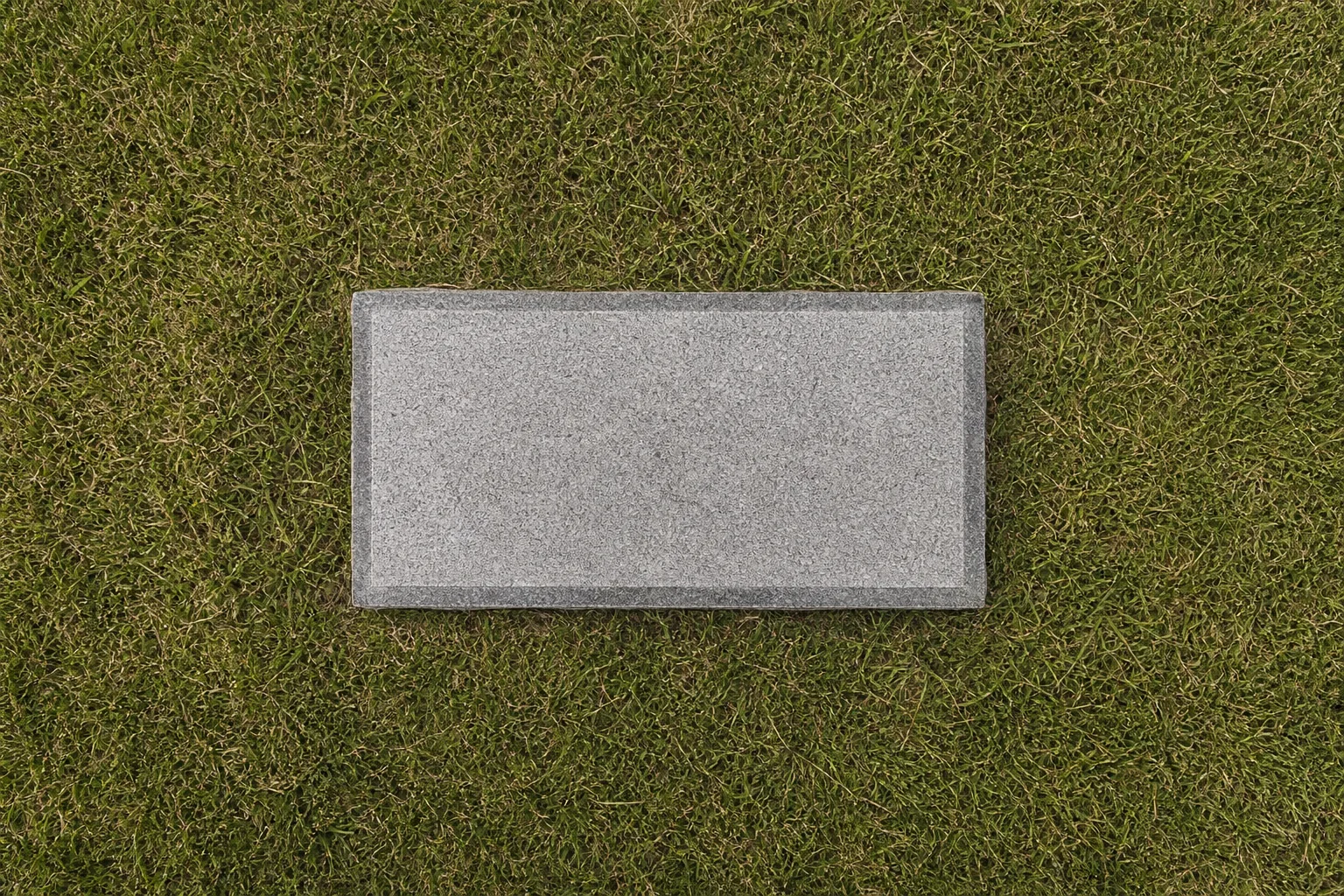
Cemetery rules are tied to a specific location, so quote the full identifier from the deed or interment record when requesting them. General rules for the cemetery as a whole may differ from the rules governing one section.
The catalog a monument dealer hands across the counter is wider than the choice actually available to any given family, because the burial section already has a rule about what may stand on it. That rule was written before the plot was sold, it travels with the deed, and it is enforced at the moment of installation rather than at the moment of purchase. Families who learn this after paying a deposit tend to learn it expensively. The order of operations that avoids the problem is simple: get the section regulations in writing, then shop.
What the section rules actually control
Most cemeteries divide their grounds into sections governed by different standards, and the section determines the category of marker before anything else. The common categories are flat bronze on a granite base set level with the turf, flush granite cut to a fixed thickness, and an upright monument with a specified base height and footprint. A section that permits uprights will usually cap the height and require the die and base to sit within a set width, often keyed to whether the space is a single grave or a companion lot. Some sections permit no vertical work at all.
Behind that categorization is maintenance. Grounds crews run large rotary mowers across lawn sections, and a memorial park laid out for that equipment cannot accommodate stones that force hand trimming around every grave. Flush and flat markers exist because they can be mowed over. That is not a small administrative preference; it is the operating logic of the entire section, and it is the reason a cemetery will hold the line on a quarter inch of exposed granite that a family considers trivial. Understanding the reason makes the rule easier to work with rather than argue against.
Getting the rules in writing, and from the right person
Call the cemetery office and ask for the current written regulations for the specific section and lot, identified by section, block, lot, and space number from the deed or interment record. Ask for a document, not a description over the phone, because staff turn over and verbal permissions do not survive an installation dispute. Many cemeteries maintain a one-page specification sheet listing permitted marker types, maximum dimensions, required base material, foundation requirements, and the setting fee. Municipal and religious cemeteries sometimes keep rules in board minutes or a bylaw booklet, which takes longer to produce but is worth waiting for.
Read the deed and any accompanying purchase agreement alongside the section rules, since restrictions can appear in either. Older family plots frequently carry restrictions written decades ago, including limits on the number of markers, a requirement that one central monument serve the whole lot, or a prohibition on additional uprights once a family monument is set. Where the deed and the current rulebook disagree, ask the cemetery in writing which governs. The Federal Trade Commission oversees disclosure practices in the funeral industry, and the habit of insisting on written terms serves a family well throughout.
The measurements a careful reader checks
Once the specification sheet is in hand, four numbers narrow the field almost completely. First, the maximum footprint, expressed as length by width, and whether it describes the base or the die. Second, the maximum height above grade, measured from the top of the foundation or from the finished turf line. Third, the minimum and maximum thickness for flush and flat work, since granite that is too thin heaves and granite that is too thick sits proud of the mowing line. Fourth, the foundation specification: who pours it, at what dimensions, and at whose cost.
Two further questions belong on the same page. Ask whether the cemetery requires outer dimensions to include a bronze marker's granite border, which changes the size of stone a dealer must quote. Ask whether vases, whether integral or detachable, are permitted, since flush sections often prohibit anything projecting above the surface, and a permanently attached vase can render an otherwise compliant marker unsettable on arrival.
Taking the rules to the dealer
Hand the specification sheet to every dealer you approach, and ask that the quoted dimensions appear on the order in the same terms the cemetery uses. A dealer who works in that cemetery regularly will often know the rules already, but written confirmation protects the family if a marker arrives oversized. Ask each dealer to confirm, on the quote, that the piece as designed meets the section standard and that the foundation arrangement matches cemetery policy. That single line converts a design assumption into a supplier obligation.
Families who start with the rulebook rather than the catalog usually find the remaining choices clearer, not narrower: within a fixed size and category, the real decisions become stone color, finish, lettering, and how the inscription will read in forty years.
Three working categories
Nearly all cemetery regulations sort markers into flat bronze on a granite base, flush granite set level with the turf, or an upright with a fixed base height. The section, not the family, decides which category applies.Mowing drives the rule
Lawn sections are laid out so a rotary mower can pass over every grave without hand trimming. That operating requirement explains why a fraction of an inch of exposed granite matters to grounds staff.Written rules only
A verbal approval from a cemetery employee rarely survives a staffing change or an installation dispute. Ask for the specification sheet or bylaw excerpt as a document you can keep.- Deed restrictions travel
- Older family plots often carry restrictions written when the lot was first sold, including limits on the number of markers or a requirement that one central monument serve the whole family. These can be stricter than the current rulebook.
- Footprint versus die
- Maximum dimensions may describe the base or the die, and the difference changes what a dealer must order. Confirm which measurement the cemetery is regulating before approving a drawing.
- Height above grade
- Upright sections typically cap height, but the measuring point varies between the top of the foundation and the finished turf line. A stone can meet one reading of the rule and fail the other.